

Assumed Liabilities

If a taxpayer were to sell the assets that comprise the taxpayer’s business, they would realize gain if the amount realized by the taxpayer from the sale is more than the taxpayer’s adjusted basis for the property.[i]

The taxpayer’s “adjusted basis” for a property is their original cost for the property – what they paid for it plus certain costs incurred in connection with the acquisition – increased by certain additions[ii] and decreased by certain deductions.[iii] In general, the adjusted basis may be described as the taxpayer’s unrecovered investment in the property. Continue Reading Tax Court’s Decision On Assumption of Liability in M&A – A Clean Block or Goaltending?
Segue

Earlier this month, the Treasury released a study in which it examined how transactions in “high-value art” may facilitate the laundering of illicit proceeds.[i] The study also considered efforts that be undertaken by government and the private sector to mitigate money laundering through the high-value art market. Continue Reading Taxing NFTs as an Investment in “Art”

“It’s My Business”

The owner of a closely held business will often find it difficult to distinguish the business from their own person. That is certainly true for a sole proprietorship. In many cases, unfortunately, the owner’s perspective toward the business does not change appreciably when the business is owned and operated by a legal entity, such as a corporation or a limited liability company, the equity in which is owned by, well, the “owner.” Continue Reading Me, Myself, and I: Tax Liabilities and Dealing with One’s Own Business

“Would I ever leave this company? Look, I’m all about loyalty. In fact, I feel like part of what I’m being paid for here is my loyalty. But if there were somewhere else that valued loyalty more highly, I’m going wherever they value loyalty the most.” Dwight Schrute, The Office

Retaining Talent

A constant challenge in the world of the closely held business, and one that is likely to become even more daunting as Baby Boomers continue to pass their businesses along to younger family members[i] – many of whom may share the older generation’s appreciation for living well, but neither its drive nor its business acumen – is the retention of key employees who are able to operate the business profitably in spite of changes in ownership or leadership within the family and the business. Continue Reading Deferring the Tax Hit on a Grant Equity to an Employee – Are You Prepared to Enforce the Forfeiture Provision?

Taxes and Snowy Weather?

How many of you awoke Saturday to find that the winter storm about which we had heard so much during the preceding days had lived up to its hype?

What was your first thought? “Fudge,” right? Time to shovel the driveway and clean off the car. Slippery sidewalks and roads. Ultimately, slush.

A few of you may have mused aloud about moving to Florida, perhaps oblivious to the cold that visited that state over the weekend.[i]

I’ll admit that I immediately wondered whether some enterprising individuals would show up, armed with the latest in snow removal technology, to offer their services.

Which brings me to another confession: I tried to recall whether snow removal services were subject to New York sales tax. A quick check and, “sugar” – turns out they are.[ii] Continue Reading The Liquidation of a Partner’s Interest Under NYC’s Unincorporated Business Tax

Last Week

What a week it was.

It began relatively well, with the Cowboys losing the NFC wild card game, albeit to a California team.[i]

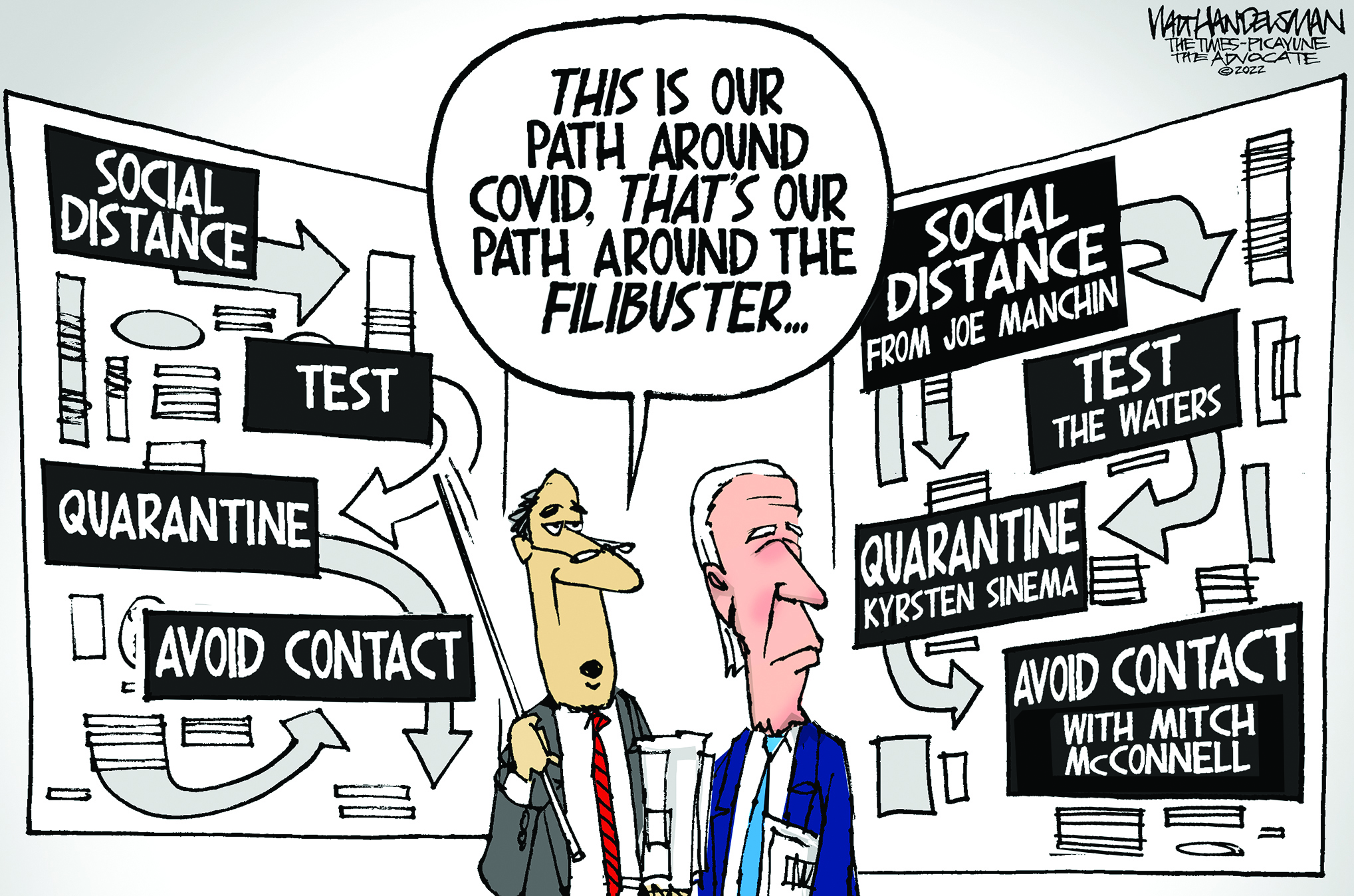
It ended disturbingly, with the Arizona Democratic Party censuring Senator Sinema for having opposed the changes to the Senate’s filibuster rule proposed by Senate Majority Leader Schumer.[ii]

What occurred in the interim was anything but reassuring. Continue Reading Revised Nonresident Audit Guidelines For New York Statutory Residence

Goodbye New York

Late last year, the U.S. Census Bureau released data showing population shifts across the country during 2021.[i] According to this information, New York lost 1.8 percent of its population.[ii]

It appears New York’s experience was not an isolated case. In a report issued earlier this month, the Tax Foundation – relying not only upon the Census Bureau’s data but also upon the data sets of some major moving companies – concluded that “[t]he picture painted by this population shift is a clear one of people leaving high-tax, high-cost states for lower-tax, lower-cost alternatives.”[iii] Continue Reading Leaving New York – But What About One’s New York Business?

Counting the Days?

We are 302 days away from the national mid-term elections, to be held November 8, 2022, yet the first full week of the new year has already highlighted some of the economic issues with which the Administration will have to grapple over the next few months if it hopes to have any chance of enacting at least a portion of its social spending measures and the tax increases by which it plans to finance them. Continue Reading Gifting Business Interests Before Selling the Business? Think Valuation

Timing

I had planned to post this piece during the third week of December, a day or so after the exchange between Senator Manchin and the White House sealed the fate of the Build Back Better plan, at least in its current iteration; by then, however, what had already proven to be one of the most challenging year-ends I’d ever experienced turned downright frenetic.[i] Continue Reading New York’s Pass-Through Entity Tax, F Reorgs, and the Sale of An Electing S Corp

Mention the “tax season” and most folks think of the weeks leading up to the April 15 deadline for filing one’s federal individual income tax return and paying the associated income tax. Truth be told, given the number of filing and payment obligations imposed upon taxpayers – both personal and business- or investment-related – including the extended filing due dates, one may reasonably assert there is no tax “season,” as such term is commonly understood, because tax obligations run throughout the year. Continue Reading ‘Tis the Season . . . to Recall Taxes?